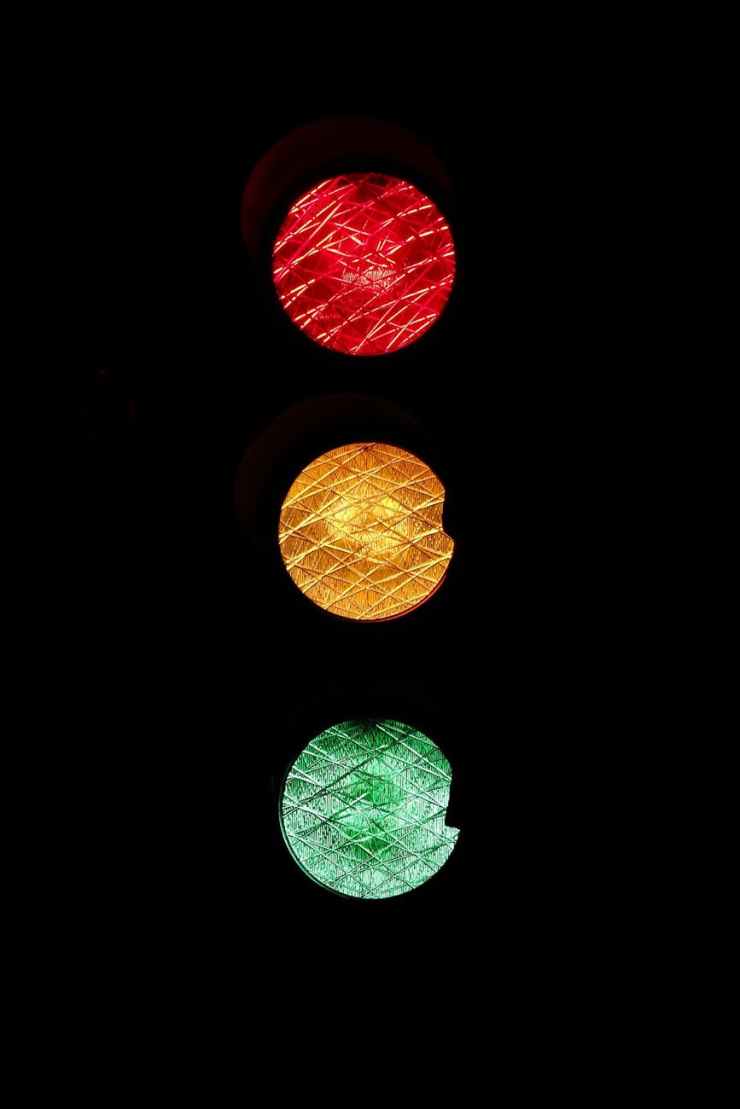
In projects it is standard to have a RAG status for project deliverables and the status of the project. The idea of having a Red or Amber or Green status for a deliverable and the project is so the project stakeholders can quickly determine how a project is doing. As a Red status would communicate that there are serious problems with the project, Amber means that there are problems but the project can handle them and Green means that everything is going well.
How the RAG status is set can be very subjective as it depends on how the organisation views and feels about risk. An organisation that is comfortable with a high level of risk could see a problem as Amber when another organisation could see the same problem as Red.
For example, the project is forecasted to be x3 times over budget, one organisation could see this as Amber as they know that it is likely that the project will spend more than the budget. As they know that this is a risk that is likely to become an issue they see it as a problem but not too serious a problem as the organisation has the money to cover the increased costs and the original business case for doing the project is still valid. A different organisation may see this same scenario as Red as for them any forecasted overspend is unacceptable and requires immediate risk management.
Consequently, an organisation needs to define and communicate its risk appetite and level of comfort with different types and levels of risk before they can use a RAG status. This is because every project manager needs to apply the same rules to determine the RAG status of a deliverable or project. One project manager cannot view the status of a deliverable or project as green and another project manager to see it as red.
 Successful International Project Management